Stay on track with your fitness goals this holiday season by practicing moderation, filling up on fiber-rich foods, and maintaining your workout routine. With these simple tips, you can enjoy the season’s festivities without losing sight of your health. Let a San Diego personal trainer help you stay fit!
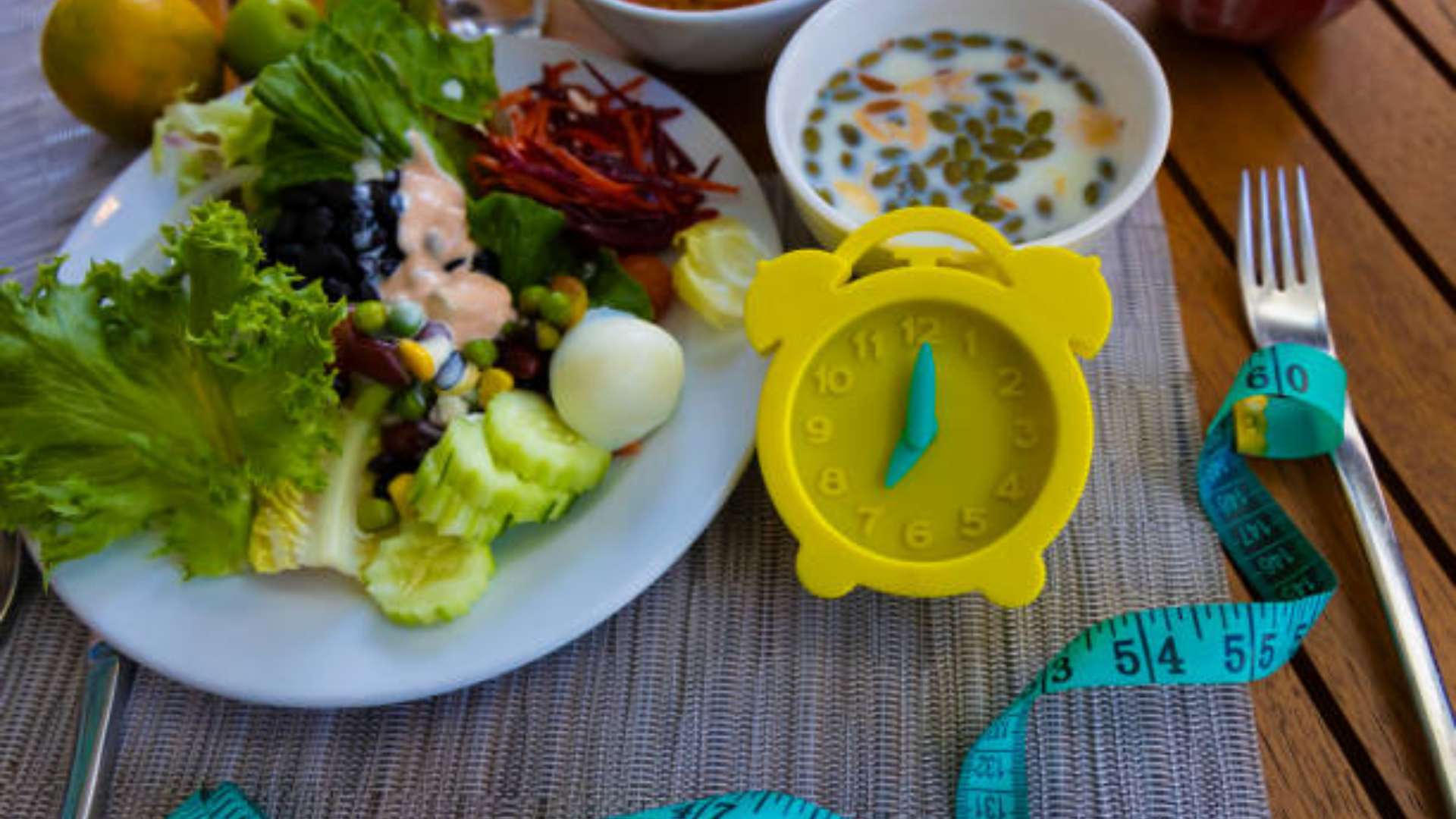
Is Fasting the Best Strategy for Fat Loss?
When it comes to fat loss, the best eating strategy often comes down to choosing the method that works best for your body and lifestyle. Two popular approaches you might have heard about are Intermittent Fasting and eating Six Small Meals throughout the day. Let’s dive into each one to see which could be the right fit for you!
Intermittent Fasting:
Intermittent Fasting (IF) involves alternating between periods of eating and fasting. The meals you consume during your eating windows are not strictly regulated, giving you more freedom. Some people prefer a daily cycle with 16 hours of fasting and an 8-hour eating window, while others may extend fasting periods to 48 hours across multiple days.
Pros:
Humans have been fasting for centuries, so our bodies are built to handle it. Research shows that IF offers various health benefits, including disease prevention, improved metabolic health, weight loss, and even longevity. Many people find it easier to follow, as it doesn’t require planning for multiple meals. During eating windows, you can eat whatever you like!
Cons:
Fasting for long stretches can be difficult, especially when food is readily available around you. It can also be socially awkward to skip meals when friends and family are eating together. Some people may end up overeating during their eating periods, and the extended fasting hours may lead to an unhealthy focus on food.
Six Small Meals:
The Six Small Meals strategy breaks up the typical three meals into six smaller meals, spaced 2-3 hours apart. Popular among bodybuilders and fitness competitors, this plan emphasizes the quality and portion size of each meal. Breakfast and early meals focus on lean proteins, fiber-filled veggies, and complex carbs, while later meals contain smaller portions and no complex carbs.
Pros:
With a steady supply of energy every few hours, you avoid hunger and deprivation. Energy levels remain stable, and with regular exercise, you can maintain muscle mass while losing fat. Fat loss tends to be gradual but steady.
Cons:
It requires meticulous planning and preparation. Expect to carry meals with you, often in a cooler. Resisting temptation becomes important as the diet doesn’t allow room for indulgence or processed foods unless you plan for occasional cheat meals.
Which Strategy is Better?
Both Intermittent Fasting and Six Small Meals can lead to successful fat loss, but the effectiveness of each approach boils down to personal preference and lifestyle. Let’s break down the science behind both:
Meal Timing:
Both plans emphasize the timing of meals. In both strategies, eating only at designated times can help prevent mindless snacking and overeating, reducing your overall calorie intake, which is key for fat loss.
Meal Content:
The Six Small Meals approach is highly focused on the content of your meals. Meals are rich in lean protein, vegetables, and whole grains, making it a great option for promoting fat loss while preserving muscle mass.
On the other hand, Intermittent Fasting does not regulate meal content as strictly, so it’s up to you to make healthy choices during eating windows.
Meal Size:
For Six Small Meals, portion control is crucial. The meals are designed to be small, and you’ll need to weigh and measure the portions of lean protein and complex carbs to ensure you’re consuming the right amount.
Intermittent Fasting doesn’t regulate meal size; instead, the focus is on fasting for extended periods.
The Best Strategy for Fast Results:
Both methods reduce your caloric intake, which leads to fat loss. Ultimately, weight loss is a result of consuming fewer calories than you burn.
Think back to the study where the professor lost weight while eating only junk food, as long as the calories were restricted. The same principle applies here: if you’re eating fewer calories than you burn, you’ll lose weight.
However, the Six Small Meals approach is more focused on the quality of those calories. It’s designed for those who want to burn fat and build muscle, which is why it’s popular with bodybuilders and fitness competitors.
Finding the Right Fit for You:
The key to success is choosing the eating strategy that aligns with your lifestyle. If you can’t imagine carrying a cooler around and eating every few hours, Intermittent Fasting might be a better option. The most important thing is to find a method that helps you stay consistent with a calorie deficit and includes wholesome foods for better and quicker results.
Looking for more personalized guidance on your fitness journey? A San Diego Personal Trainer can help you develop a fat loss strategy tailored to your needs. Reach out to me today, and let’s work together to get you in shape for summer!

Related Posts