Stuck losing and gaining the same few pounds? A San Diego Personal Trainer explains 3 common habits that block fat loss: overeating “healthy” food, not drinking enough water, and coasting in the gym. Fix these and start seeing real, lasting resul
The Best Eating Strategies for Fat Loss
The foods you consume play a vital role in achieving fat loss goals. However, it’s not only about what you eat, but also the amount and frequency of your meals. These factors are crucial, which is why discussing the best eating strategies is a popular topic with my clients! Let’s explore some of the most effective strategies…
When searching online, two common fat-loss eating methods emerge: Intermittent Fasting vs. Eating Six Small Meals.
Which approach is most effective? More importantly, which one is best suited for YOU? Let’s find out…
Intermittent Fasting
Intermittent fasting involves alternating between periods of eating and fasting. During the eating window, there are no specific guidelines for meal content. Some people follow a daily cycle with a 16-hour fasting period, while others extend it to 48 hours on certain days.
Pros:
Fasting has been practiced for thousands of years, and our bodies are well-equipped for it. Research supports its benefits for disease prevention, metabolic health, weight loss, and even longevity. Some people find fasting easier than planning multiple small meals. The eating periods allow for flexibility, so you can eat what you like.
Cons:
It can be tough to go without food for long periods, especially in social settings where others are eating. Fasting can also lead to overeating during eating windows or a heightened focus on food.
Six Small Meals
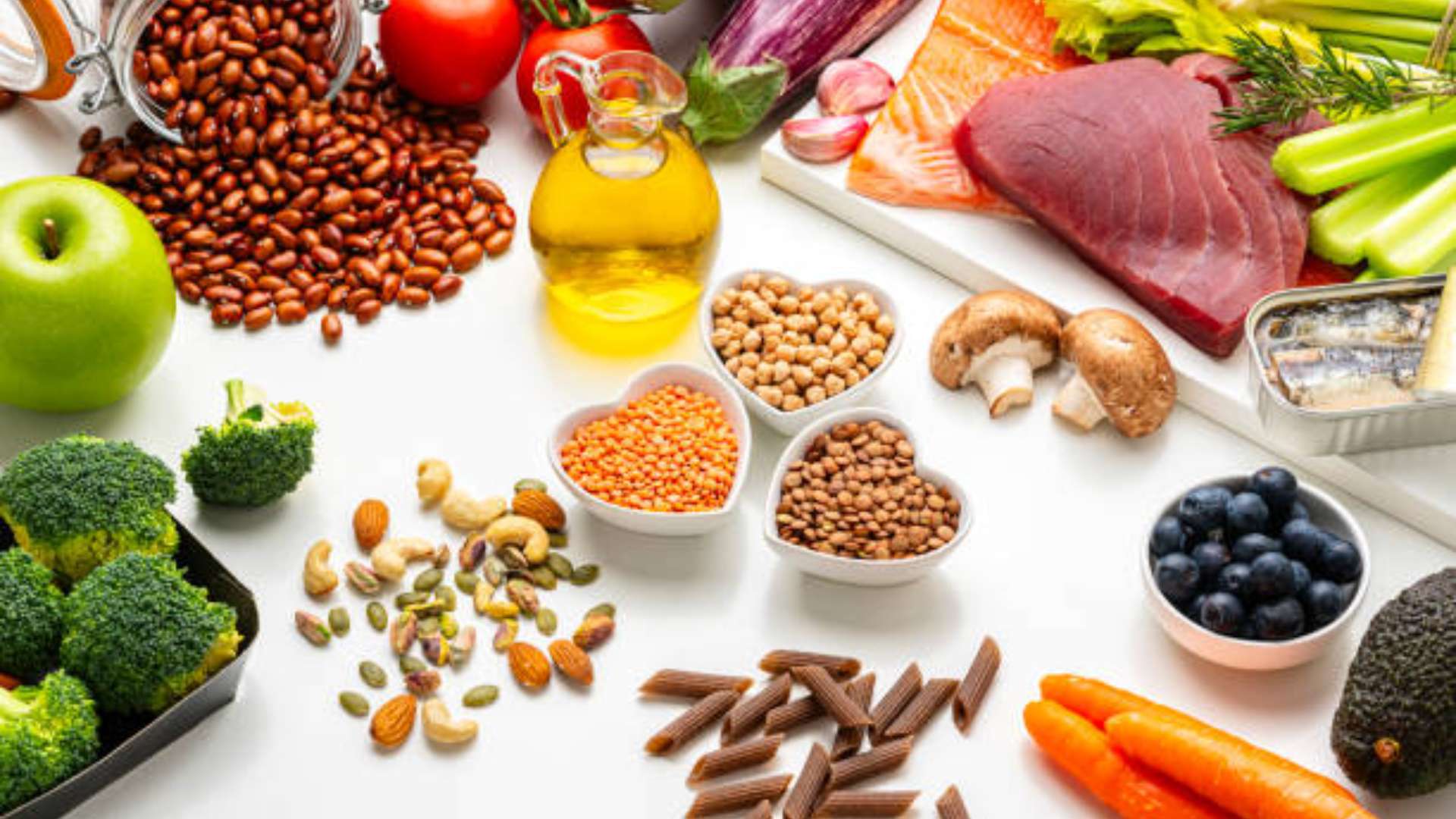
This strategy involves dividing your usual three meals into six smaller ones, spaced about 2-3 hours apart. This method has been popular among bodybuilders and fitness enthusiasts. Each meal includes lean protein, fiber-rich vegetables, and small servings of complex carbohydrates early in the day, while later meals are smaller and avoid carbs.
Pros:
You won’t feel hungry with this plan, as you’re eating regularly throughout the day. This helps maintain energy levels and supports fat loss. Combined with a solid workout plan, it helps preserve muscle mass.
Cons:
It requires constant planning and meal prepping. You’ll need to carry multiple meals throughout the day. This method doesn’t allow much room for indulgent or comfort foods unless you include occasional cheat meals.
Conclusion
Both of these strategies have been proven to work for fat loss, as evidenced by real-life success stories. But how do two very different methods both deliver results? Let’s break it down…
1. Meal Timing
Both strategies emphasize meal timing. With either plan, you must wait for the designated eating window, eliminating mindless snacking and reducing overall calorie intake, which is crucial for weight loss.
2. Meal Content
The Six Small Meals approach focuses on the nutritional value of each meal, ensuring lean proteins, vegetables, and controlled carbs. This control is why it is highly effective for fat loss. Intermittent Fasting does not focus on the content during eating periods, leaving you to choose your meals freely.
3. Meal Size
The Six Small Meals method also emphasizes portion control. By weighing food, you ensure that your meals fit your nutritional needs without excess calories. This attention to detail helps you stay on track. Intermittent Fasting, however, doesn’t involve measuring meal sizes during eating periods.
Which Strategy is Best for Fast Results?
Both strategies lead to weight loss by reducing calorie intake. Ultimately, weight loss is about calorie balance: consuming fewer calories than you burn. This can be achieved by both methods.
However, only the Six Small Meals plan encourages nutrient-dense meals that promote fat burning and muscle preservation, making it the preferred choice for bodybuilders and fitness enthusiasts.
When selecting the right strategy for you, consider what fits your lifestyle. If preparing meals every few hours seems unrealistic, Intermittent Fasting might be a better choice. The key is finding a plan that you can stick to consistently. The more nutritious your meals are within the calorie restrictions, the quicker your results will show!
Looking for guidance on achieving your fat loss goals? As a San Diego Personal Trainer, I’d love to help you out! Contact me today, and let’s start working together to transform your body.
Let’s make it happen!

Related Posts